Stuck in Low Power Mode
It’s been quiet on my blog lately. I used to publish yearly reviews about how life was going and how everything was sunshine and rainbows. So what happened to the one for 2025? Things had actually started off really well that year. Monika and I spent the whole winter season in Bansko, Bulgaria, skiing almost every day and enjoying the snow. I finally proposed to her at the top of the mountain and, after returning home, we started planning our wedding. Unfortunately, what happened next turned my whole life upside down. And I needed some time to understand what was happening before I could tell this story, my story about Long Covid.
Back in May 2025, I visited a tech conference in Berlin and caught what seemed to be Covid. I had to skip the last day of the conference and head home early. It felt like a normal cold with a sore throat and it cleared up in a few days. But over the following weeks, I started to realize that something wasn’t right. I was extremely tired, my head hurt, and my brain felt like it was covered in fog. I had never experienced anything like that before. It became nearly impossible to focus for an extended period of time. It knocked me out for a while, but I still thought it was some post-viral state that would go away soon. Little did I know.
I went to my doctor, who worked through the standard checklist. He did some routine checks and sent me to a few specialists. But everything stayed fairly high-level and all the results came back normal. Yet I clearly still felt sick. This was when I started to suspect that I had Long Covid and that the virus might have done much more damage to my body.
I had to slow down big time and sports were the first thing to go. I used to run every two or three days, but suddenly that was no longer possible. I made a couple of attempts to get back into it, but they all ended horribly wrong. I also had to drop out of the local badminton group I had just helped to start. Still, I tried to carry on as normally as possible. I kept working, but I wasn’t getting nearly as much done as before and even a few hours of focused work sucked up all my energy.
Symptoms kept coming and going. We had a three-month trip to Southeast Asia planned for the end of the year and, after some hesitation, I went ahead with it, still thinking it’d eventually go away. What a dumb move in hindsight. Changing the environment and having new places and cultures to explore was great, but the trip was really tough. I got through it in low power mode, joining tours aimed at elderly people or skipping some of them entirely.
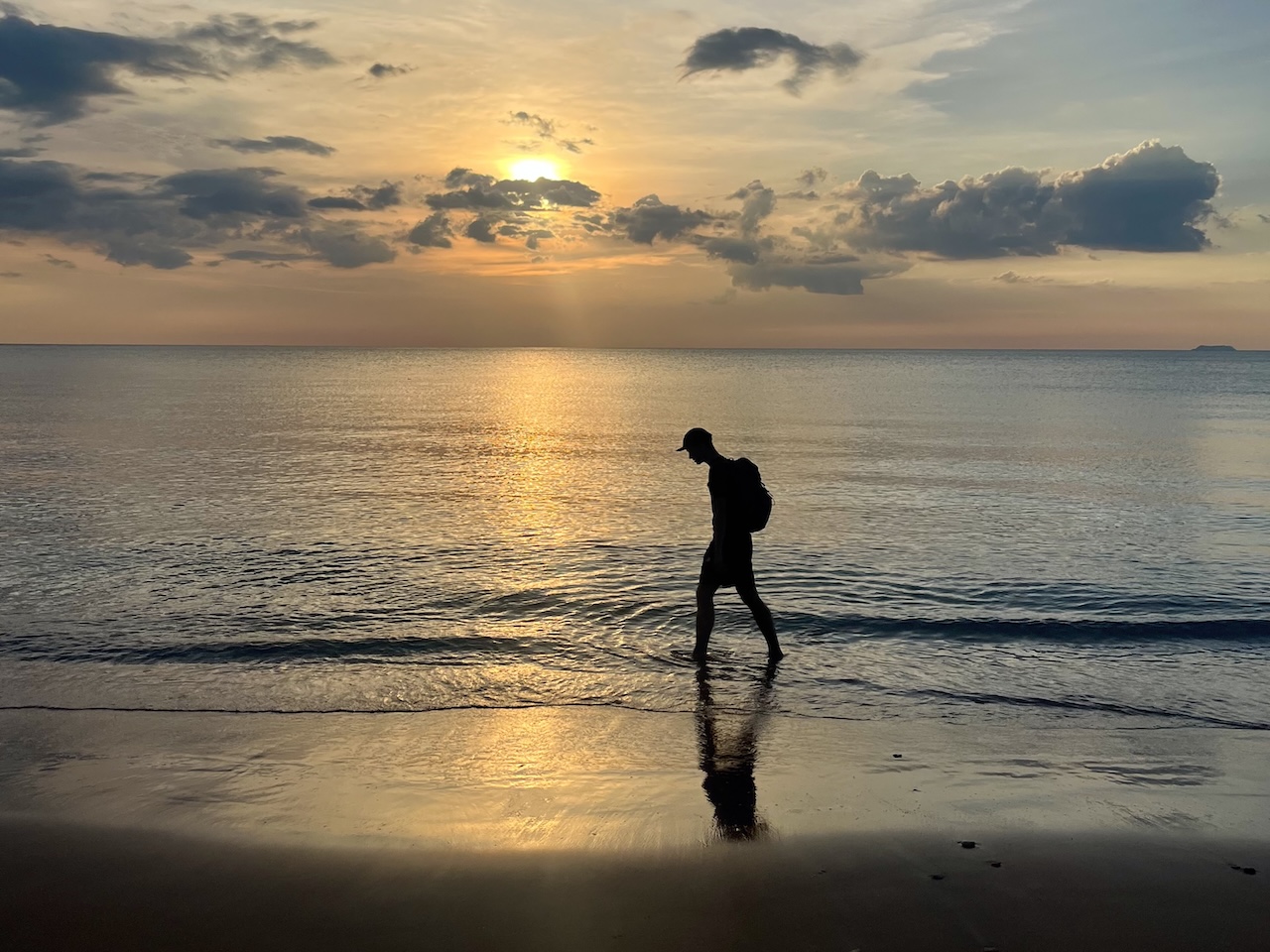
Somehow I managed to survive and even enjoy parts of it. However, it definitely didn’t help me get better, especially as I had to deal with GI issues and another infection along the way. I remember coming back exhausted as f*ck. Literally the most drained I’ve ever been. I decided to make recovery my top priority, but I was slowly realizing how serious this condition is and that it could take a very long time, if full recovery was even possible. We made the difficult decision to postpone our planned wedding and I started adapting to this new phase of my life. A big part of that meant learning how to manage a much smaller and less predictable energy budget.
The headaches hadn’t gone away, and I was also dealing with muscle pain, chest pain, and shortness of breath. The exact symptoms might vary from person to person, but one common pattern is that you have a good day, push yourself too much, crash later, your symptoms get worse, and you need some time to get back to your baseline. This is known as PEM, or post-exertional malaise.1 The tricky part is finding that invisible threshold and trying not to cross it, a technique called pacing. The particularly nasty part is the delay. You can feel completely fine while doing something, only to get hit hours later or the next day and spend several days recovering. That makes it incredibly easy to get trapped in a push-crash cycle.
If you’re not affected yourself, the closest comparison I can think of is delayed-onset muscle soreness. You do a hard workout, your body starts hurting the next day, and it takes some time for the pain to wear off. PEM is somewhat similar, except that it can be triggered by things that normally wouldn’t count as exertion at all, like doing chores at home, running errands, spending a couple of hours focused on work, or simply talking or socializing for too long. And instead of just sore muscles, it can make all your symptoms flare up and leave you suffering for days afterward.
So, what’s causing this, you might ask? What does the virus do to the body? Nobody really knows the definitive answer yet. Researchers are still digging into it2 and there are plenty of hypotheses: viral persistence, mitochondrial dysfunction, immune dysfunction, gut barrier and microbiome disruption, nervous system dysregulation, blood vessel dysfunction, and possibly other mechanisms. The thing is, there probably isn’t a single cause. It’s more likely a combination of these mechanisms and we’re dealing with multiple subtypes of the disease.
This is what makes Long Covid so difficult to navigate in the healthcare system. There is no single test that tells you what’s wrong and no clear treatment path to follow. Most doctors can rule out the obvious things, but once those tests come back normal, there isn’t much left for them to do. I at least managed to secure an official Long Covid diagnosis3, but beyond that, I was mostly on my own and had to take matters into my own hands.
As absurd as it sounds, I became my own case manager, piecing together information, working with functional medicine practitioners and coaches, getting specialized lab tests, figuring out the logistics of arranging blood draws and getting samples delivered to the right labs, making sense of the results, and paying for much of it out of my own pocket. I’ve basically been doing a self-taught pre-med course for the past year, and it has taken up a ridiculous amount of my already limited energy.
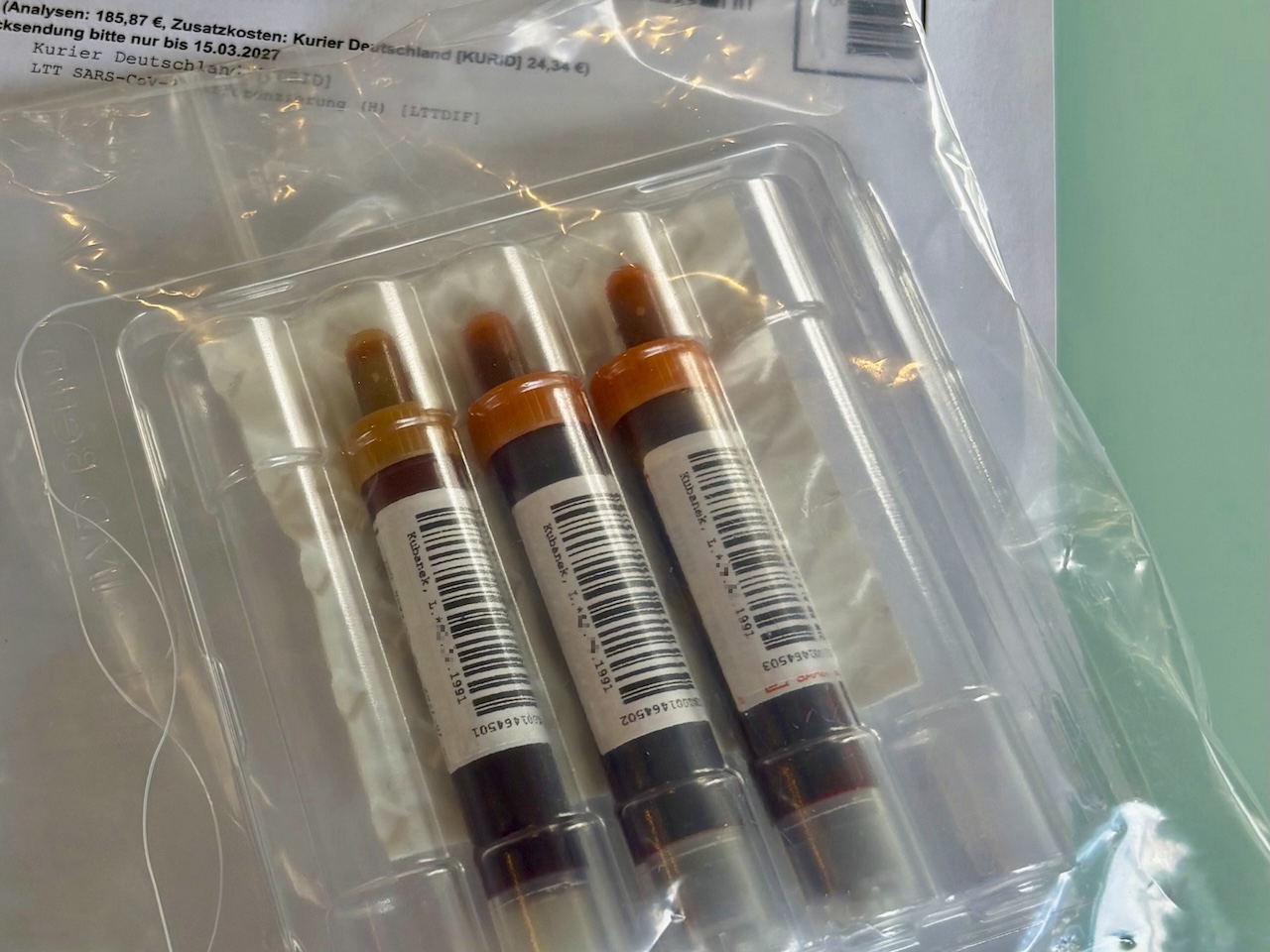
Once I looked beyond the standard tests, things didn’t look quite so normal anymore. I had low levels of several vitamins and minerals, signs of increased oxidative stress, and abnormalities in my gut that could affect nutrient absorption. Most interestingly, though, I found out that the ATP levels4 in my cells were low. In simple terms, my mitochondria don’t seem able to produce enough energy to meet demand. Push the body too hard and the energy supply starts falling behind, leaving the system in an energy deficit, which is the most likely explanation for the delayed crashes.
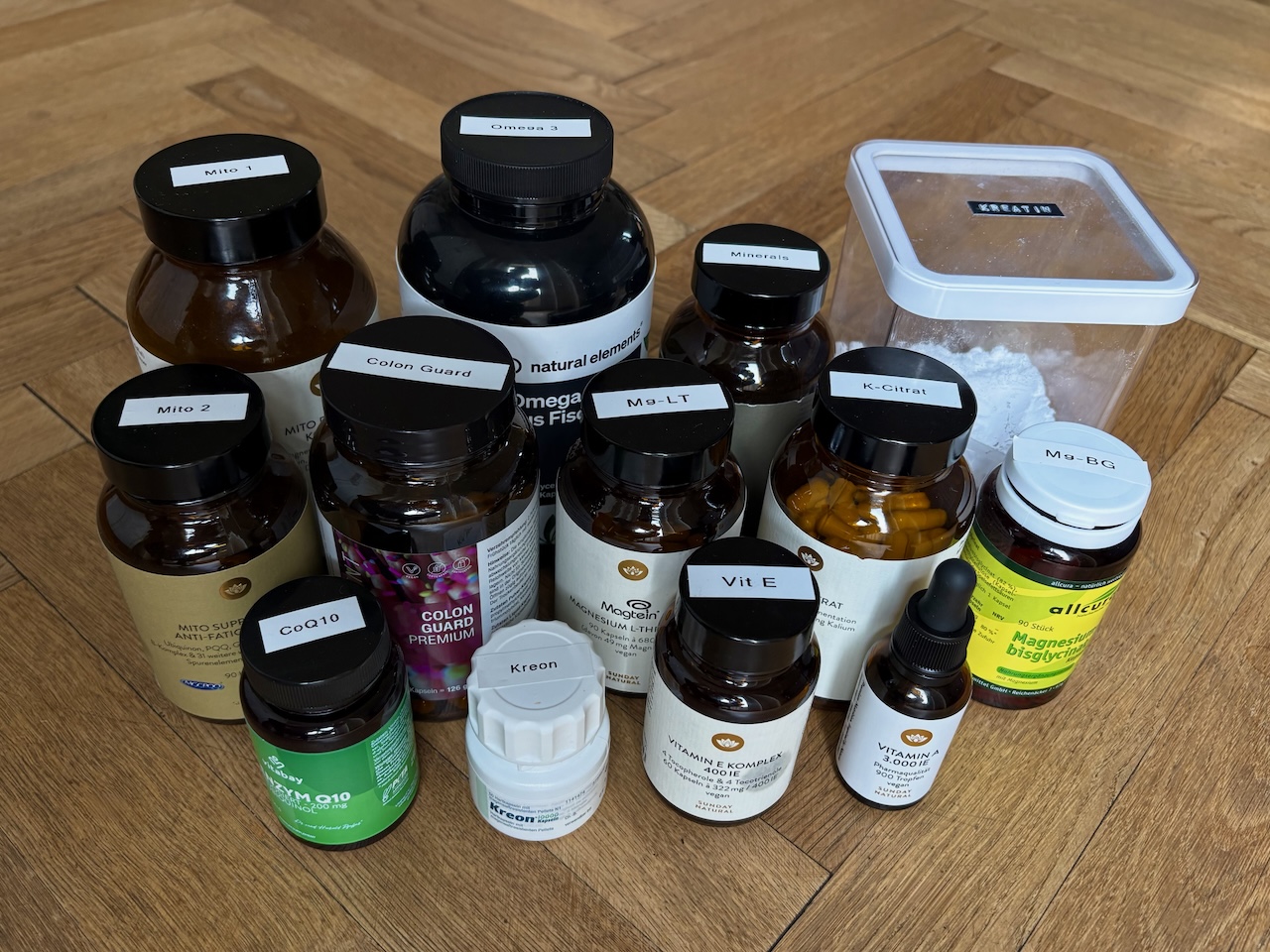
So, what could I do about it? Unfortunately, there’s no magic pill for Long Covid. Treatment is mostly about managing symptoms, avoiding crashes, and trying to support whatever systems seem to be struggling. For me, pacing has made the biggest difference. I’ve also been doing physiotherapy for my stiff chest muscles and taking a crazy amount of supplements to address the deficiencies and support energy production. Some of it seems to help, but since I can’t exactly A/B test my own body, there’s a lot of guesswork involved. So far, I haven’t felt the need to resort to more invasive experimental treatments like blood filtering or various off-label medications. For now, the idea is to give the body the best possible chance to fix itself. Or wait for research to come up with something better to work with.
That said, my case is far from the worst. Some people recover in a few months, while others get hit much harder and become housebound or even bedbound, unable to manage everyday life without help and remaining severely affected for years.5 I’m somewhere in between, 16 months in. I can get through the day and function to some degree, but with limited capacity and without being able to handle physically and cognitively demanding tasks. It means giving up a big part of normal life, but I’m still hanging in there.
All this has been a huge slap in the face. It felt like some higher power reminding me that I’m not immortal. It also changed my perspective on illness. I used to think of it in two categories. Either it was something you get over after a while, or something serious like cancer that changes your life and comes with the possibility that you might not make it. I never really considered the third option, getting chronically sick in a way that affects you both physically and cognitively, and simply staying that way.
I still sometimes struggle to wrap my head around what is happening. The whole thing feels surreal. I’m getting better, but recovery is anything but linear. And the finish line is still far ahead. What helps a lot is the support from my fiancée, finding joy in the little moments, and holding on to the hope that better days are ahead. I still have more questions than answers, the healthcare system isn’t really helping much, and research isn’t moving fast enough, but I’m hopeful that I’ll eventually get out of this. Wish me luck!
So why am I writing all this up? Well, it’s mostly to document this for myself, but also to give you a peek into a condition most people probably know very little about. Despite what you might have heard, Covid isn’t just another cold. It can mess up your life through symptoms that linger long after the infection itself has passed. Unfortunately, I think we’re all going to hear a lot more about Long Covid in the coming years. The virus is still circulating and your chances of developing these symptoms go up with each new infection.6 The pandemic isn’t over!
Clinical guidance on Long Covid describes PEM as worsening symptoms after even minor physical or mental exertion, typically with a delay of 12–48 hours and lasting for days or even weeks. ↩︎
Post-viral chronic illnesses with similar symptoms existed long before the pandemic, but Long Covid brought the problem to a completely different scale, with a growing economic impact. In Germany, the government has responded with a planned €500 million investment in research into post-infectious diseases. ↩︎
My official diagnoses are Post-COVID-19 condition and a mild form of chronic fatigue syndrome (CFS). ↩︎
By ATP, I mean the energy molecule, not the podcast… 😉 ↩︎
One well-known example is Dianna Cowern from Physics Girl, who became severely affected by Long Covid and has spent much of the last few years largely confined to bed. ↩︎
A recent study found that repeated infections increased the overall risk of developing Long Covid compared with a single infection. ↩︎